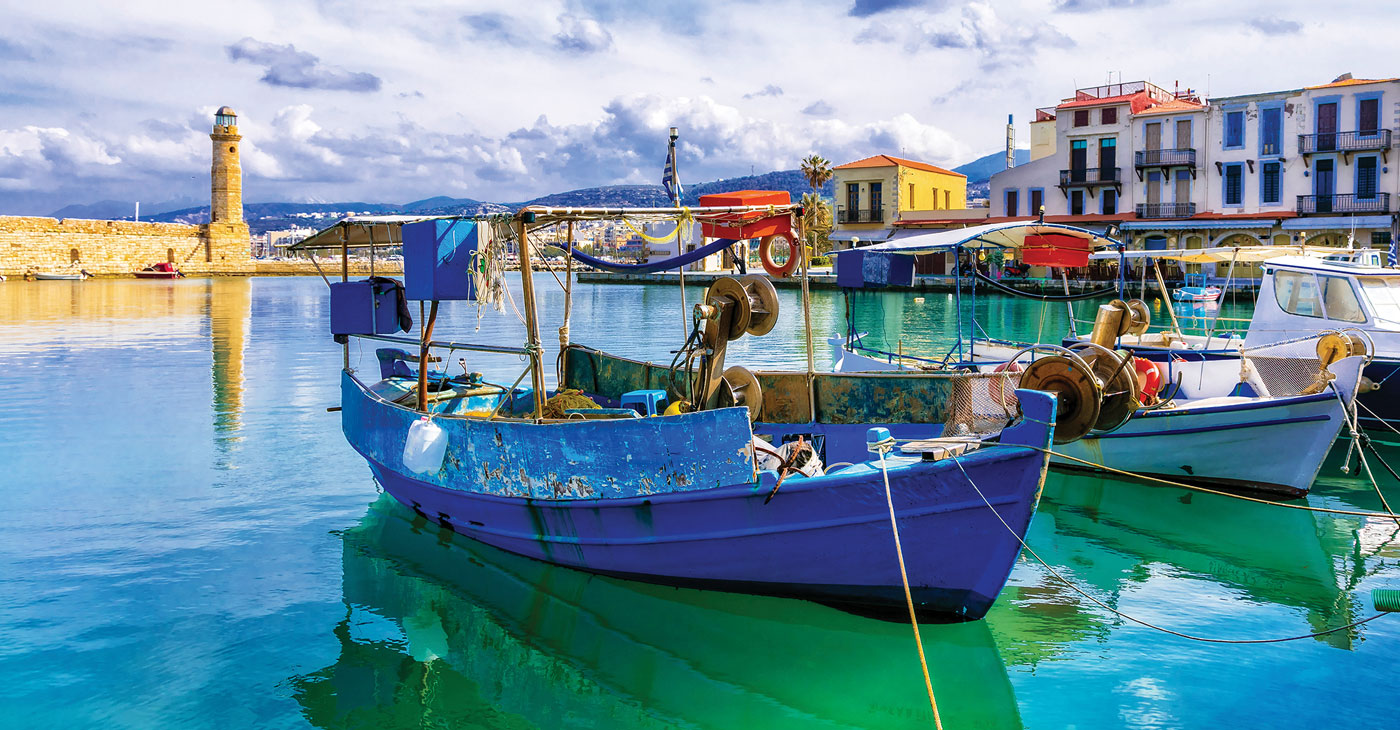
Following the Yellow Roads to Hidden Greece
When was the last time you took a road trip, paper map unfolded across your lap, fingers tracing a route that refuses to hurry? One that favors quieter roads, where villages linger in time and daily life unfolds at a gentle pace. Maybe you remember AAA TripTiks with routes highlighted just for you, or a well-worn Michelin map, its color-coded lines whispering possibilities – red for speed, white for wandering, yellow for that perfect in-between. Those maps didn’t just guide you; they shaped how you traveled.
That spirit of adventure lives on in Tauck’s Yellow Roads journeys, inspired by Arthur Tauck Jr. in 1991, routes designed for discovery and shaped by travel experts passionate about seeking out the places we have in our mind’s eye. Recently, I was privileged to go behind the scenes with a team of Tauck travel experts to the hidden corners of Greece, traveling south from Thessaloniki along its golden roads to places still off the radar. What I experienced reaffirmed why I travel – and why Arthur championed those Yellow Roads.
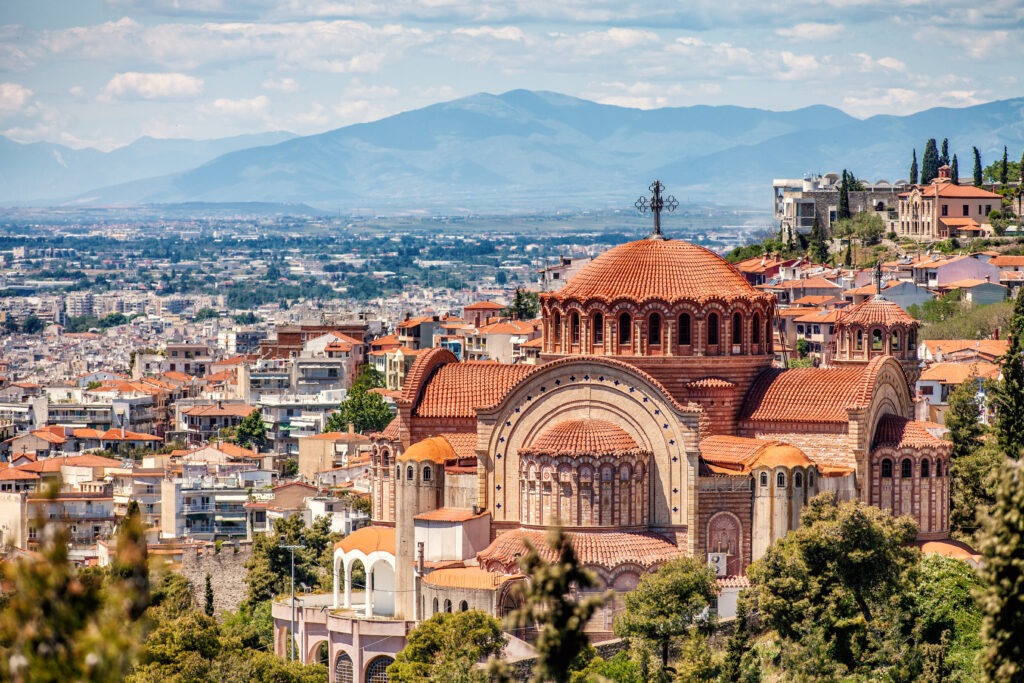
One of the most relaxed cities in Greece, Thessaloniki is a modern university city bursting with energy. Visiting isn’t just about seeing its ruins. It’s about living its charms and experiencing an unscripted taste of Greek life. Food is a BIG deal here. Bakeries line the streets with custard-filled bougatsa and syrup-soaked trigona. Street food – souvlakis, gyros, dolmathes, and flaky pies – tempts from every corner. Meze spots overflow with hummus, pita, falafel, and olives. Coffee is king, and café culture is central to daily life. Conversations unfold slowly, face-to-face, cup in hand. Eating – and coffee – is continuous and social, making it easy to join locals in the rhythm of everyday life.
An hour outside the city, on a quiet road, lie the royal tombs of Vergina, one of Greece’s most extraordinary archaeological discoveries and a fascinating stop on our road trip. Hidden for more than 2,300 years, the tombs are preserved inside a subterranean museum, dimly lighted, and quietly hushed. Philip II, father of Alexander the Great, and his family are interred here, along with artifacts, gold, armor, and jewelry, that speak volumes about their lives on earth. Walking through with Tauck’s local guide at a time when other visitors were few, history became human, shaped by stories of ambition, loyalty, and betrayal.
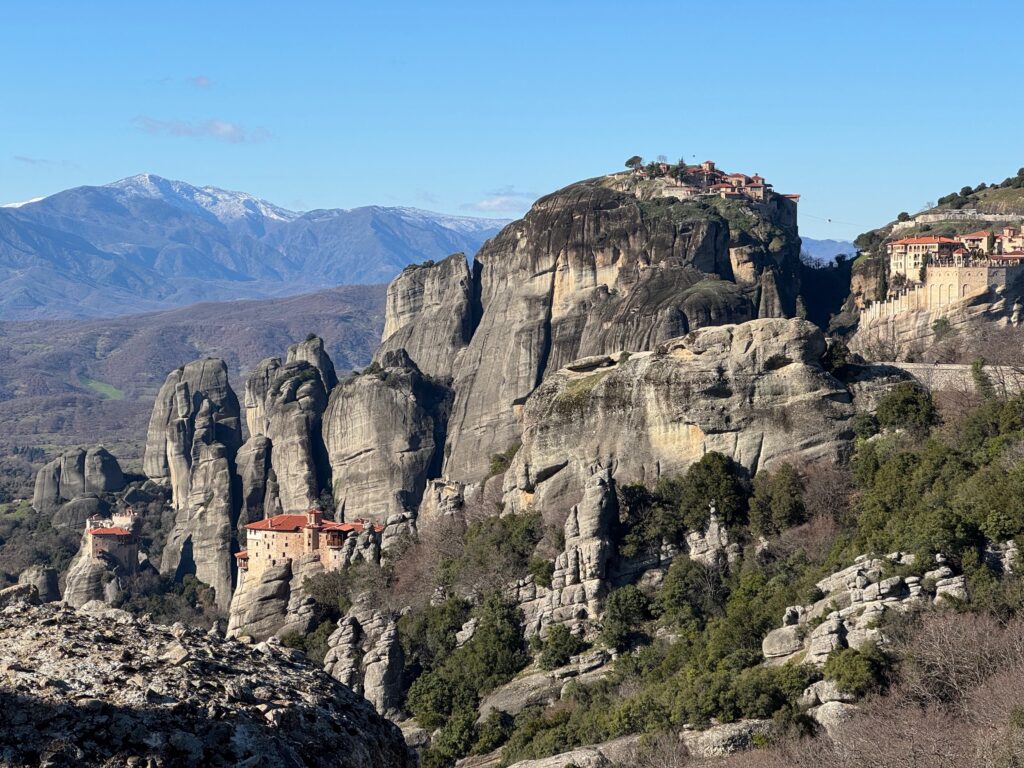
Driving west, we reached Meteora, where monasteries perch atop soaring rock pillars in a surreal landscape. A handful of modern-day monks and nuns still live here, their days filled with prayer and simple routine. Remote and dramatic, Meteora feels suspended between earth and sky; it’s an unforgettable hidden gem that truly feels heavenly, all the more so when we happened to be the only ones there.
Heading south, we stopped at a small tucked-away taverna where our host cooked up an endless banquet of traditional dishes as if we were family. The mountainous terrain led us to Arachova, an alpine village quintessentially charming. We stayed the night at an intimate ski and spa resort just outside of town, fireplace aglow, snow-capped peaks surrounding us, views mesmerizing and a private dinner exceptionally prepared. This was Greece without the sea and it was a new high for me.
Morning brought us to Delphi, where ancient Greeks once sought answers from the divine oracle and where I delighted in the setting and significance. Standing among hillside ruins overlooking a vast valley, it was easy to understand why this was considered the center of the world to ancient fortune-seeking Greeks, as well as a great place to wander and wonder for present day travelers.
Back on Tauck’s motorcoach, the road stretched toward Messinia in the southwestern Peloponnese, a region known for its natural beauty, olive trees – and famous Kalamata olives – seaside villages, and rich history. Today, it’s emerging as a luxury destination, with stunning golf resorts, golden sand beaches and breathtaking vistas, each secreted away from the crowds in the new coastal community of Costa Navarino.
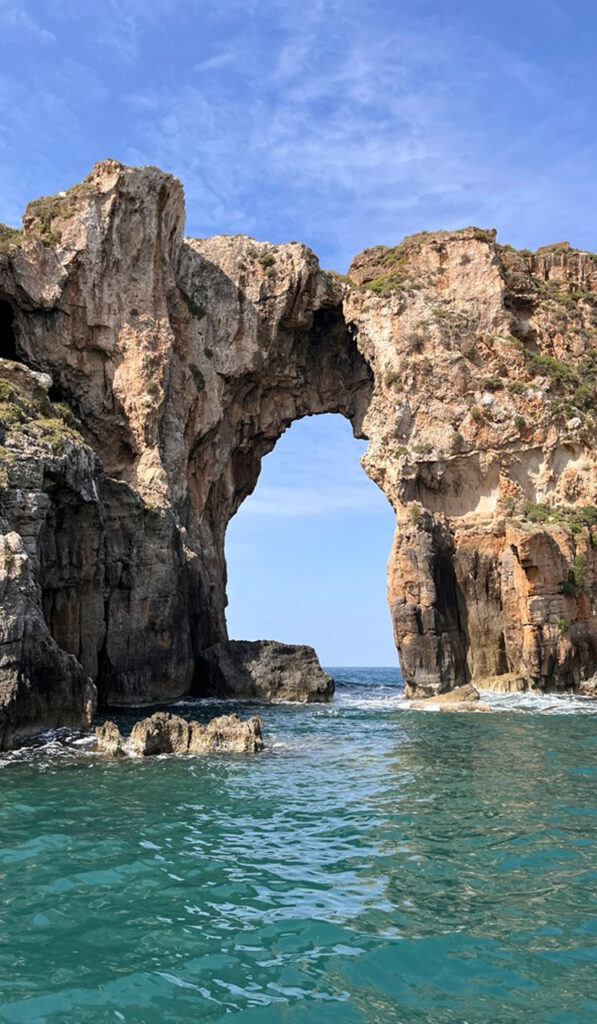
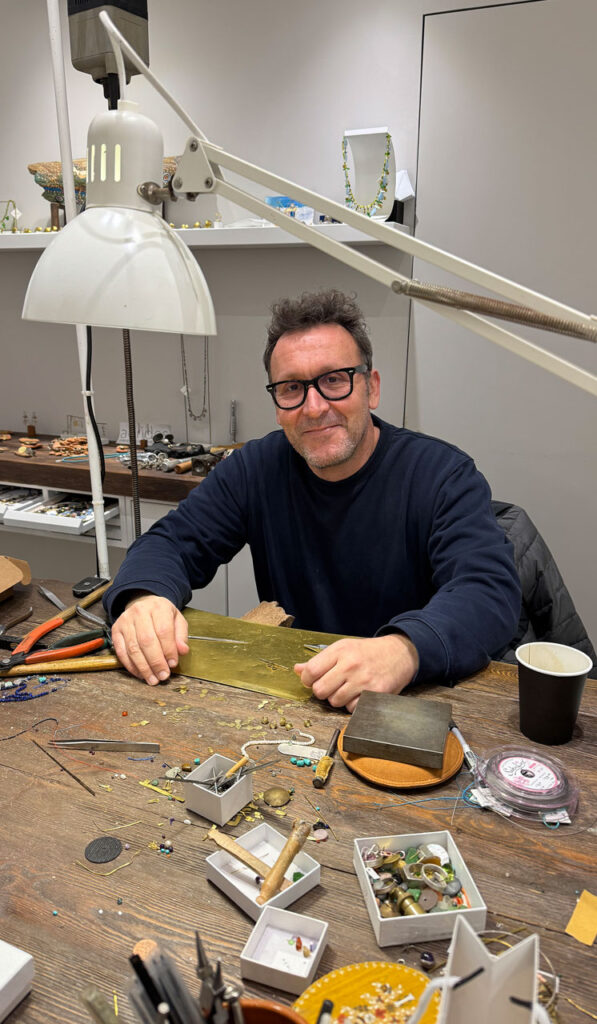
We stayed nearby in the seaside village of Pylos, where calm waters and a natural harbor create a postcard-perfect setting. Wandering the waterfront, I popped into an artisan jewelry shop. The owner, seated at his workbench, welcomed me in and engaged me in the kind of conversation that quickly felt like a new friendship. That’s the advantage of Tauck’s Yellow Roads travel, having the time and space to connect with locals in meaningful ways.
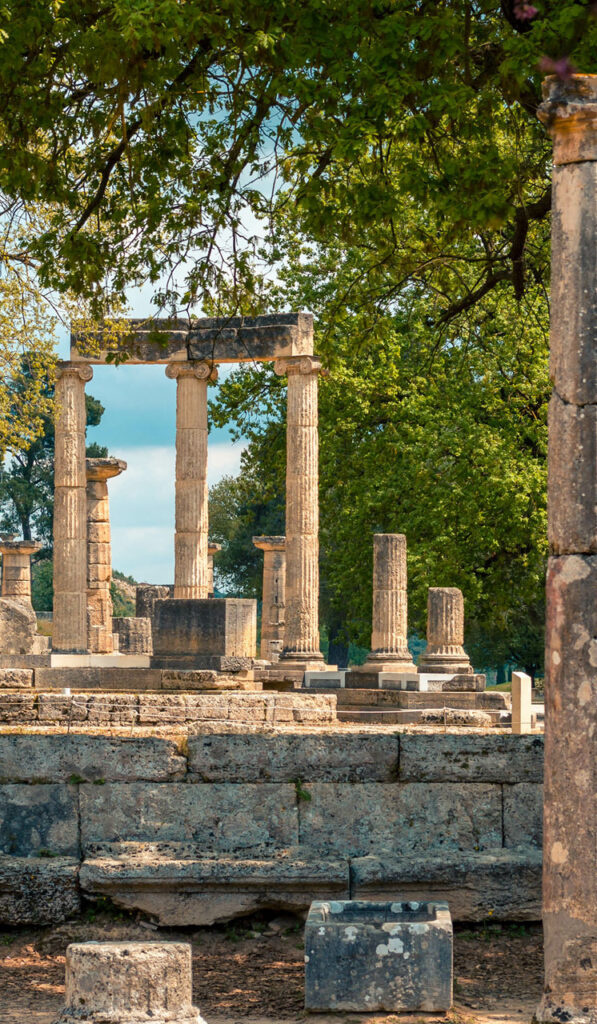
The next day a scenic drive inland brought us to Olympia, birthplace of the Olympic Games in 776 BC. Set in a peaceful, bird-song valley, the spread-out ruins spoke volumes about the athletes who competed here and the gods who watched over them. Viewing the stadium, Zeus’ temple and the Temple of Hera where the flame is still lit today felt surreal, igniting the realization that it had the power to unite nations millennia ago as it does today.
Continuing toward Athens, we stopped at Messene, a remarkably preserved ancient city founded in 369 BC. Uniquely untouched and uncrowded, it offers a glimpse into the past without distraction. Walking among its ruins, surrounded by olive trees and silence, I felt a deep sense of serenity and awe, feelings that followed me around every bend of the road.
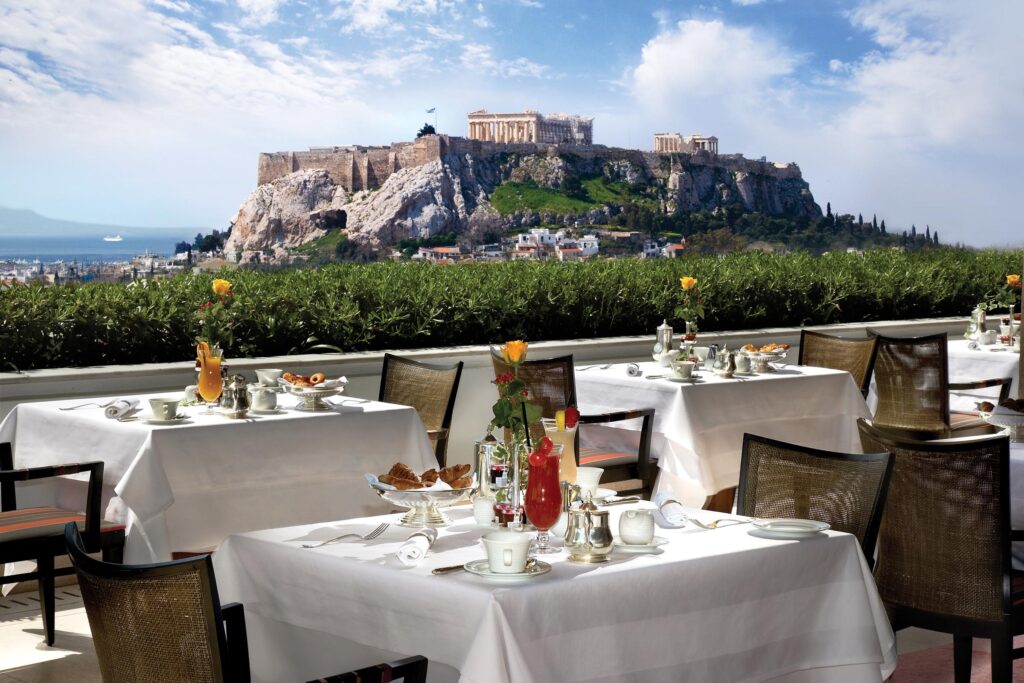
After motoring to Athens, past the impossibly narrow Corinth Canal, we indulged in ultimate luxury at the Grande Bretagne Hotel in Athens, where views of the Acropolis dazzled from its 7th floor restaurant. Tauck is renowned for wowing guests with accommodations that raise the bar, whether it’s a “World’s Best” hotel or an intimate village inn somewhere scenic, verifying that where you stay is an important part of the overall experience. I wholeheartedly agree.
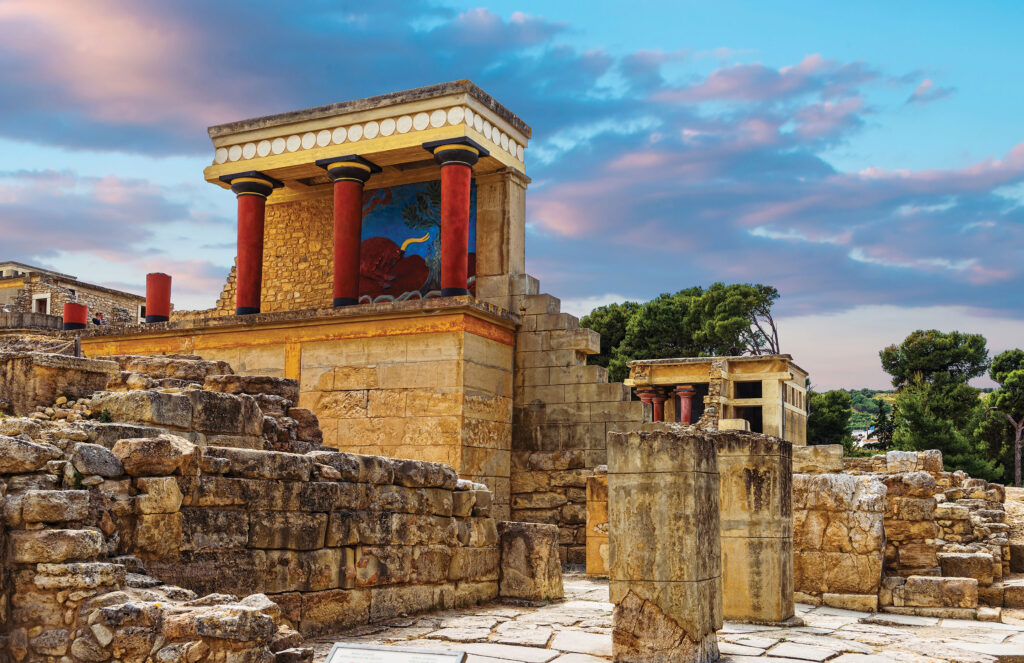
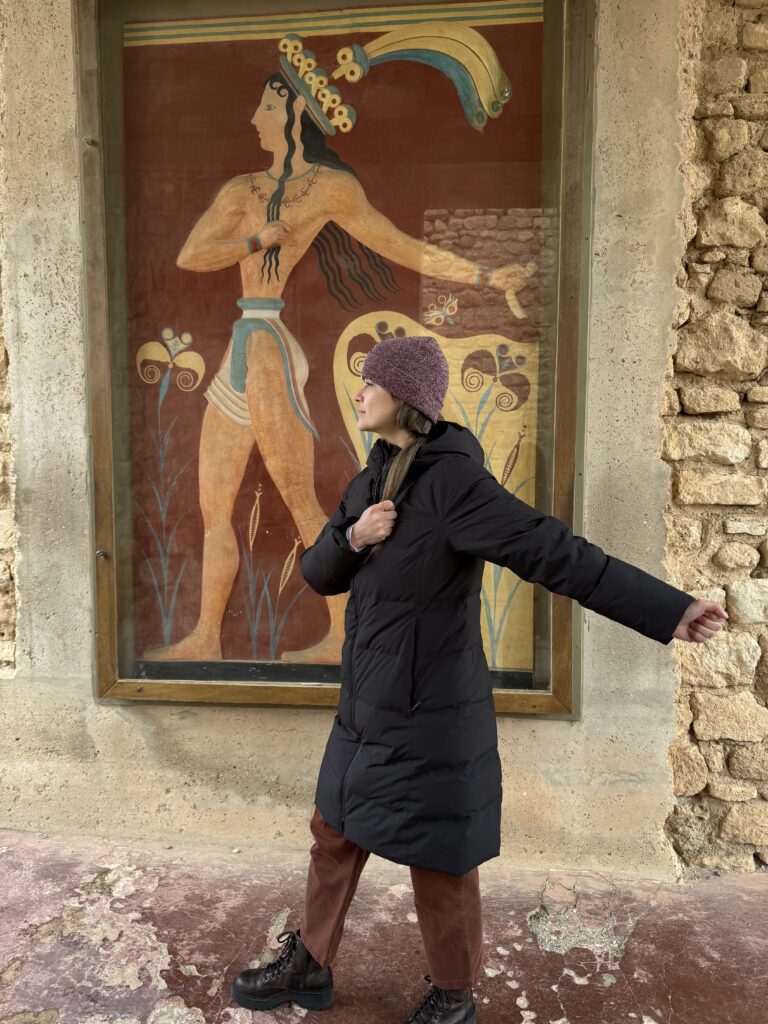
Fully pampered and ready to see more, my journey continued to Crete. The kingly Palace of Knossos rules here, intriguing visitors like me with its labyrinthine ruins, Minotaur mythology and brightly colored frescoes, revealing the incredible sophistication of the islanders who lived here in 1400 BC! Once again, we enjoyed a virtually private, unexpectedly intimate visit, no lines, no bustling, no crowded spaces and all happy faces.
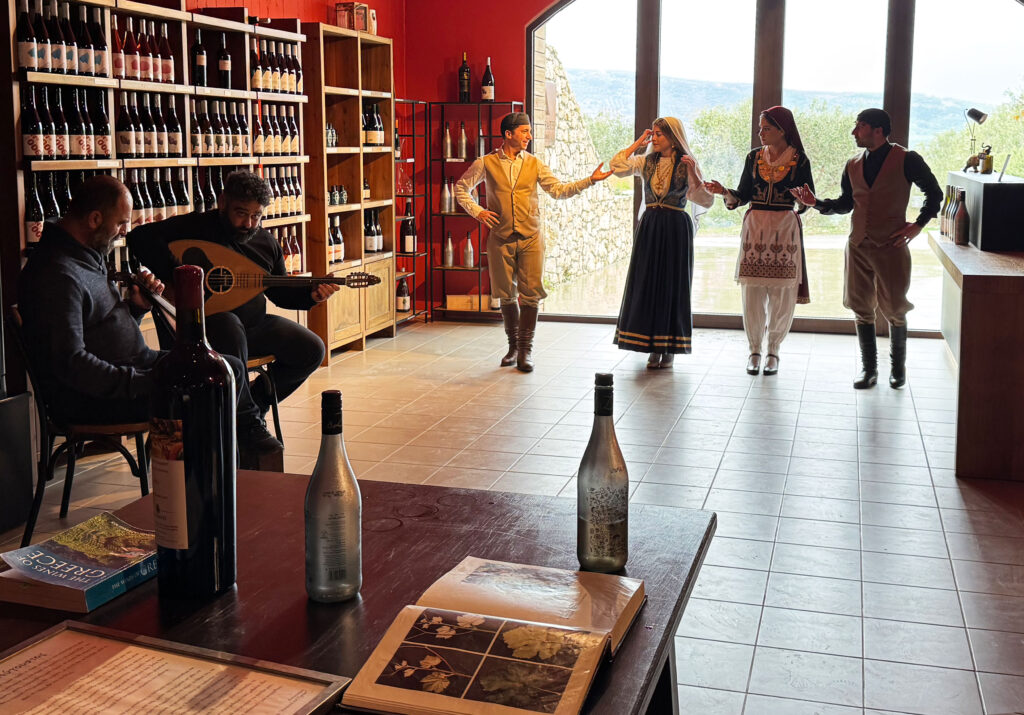
Crete is also a cultural gem for sun-seekers, food lovers, boaters and beach goers who relish being a part of the local scene. In addition to its upscale waterfront properties, resorts and secluded villas, small vineyards tempt with a taste of the grape. The folks at Tauck are known for seeking out the local gems of the destinations they explore so it was no wonder that the hilltop winery we stopped at for a tasting lunch was exclusive to us. There we were invited to dine, drink and dance like the locals, chatting with musicians and kicking up our heels with dancers who showed us a few new steps. Think back to scenes from Zorba The Greek for a sense of the joy we experienced; it was infectious, inspiring and irresistible, one of those soul-affirming moments that defines immersive travel.
A short boat ride with a friendly ship captain took us to Spinalonga across the water from luxury hillside resort, the Domes of Elounda, where Tauck guests will stay. The small island, walled and wild, was once home to a leper colony. We disembarked to stroll past the abandoned stone buildings, family houses and quiet pathways of this once shunned community, reliving stories of isolation, resilience and shared hope. The human spirit felt tangible here, evoking whispers from the past that played out in so many of the places we explored in hidden Greece.
Like the Yellow Roads Arthur Tauck Jr. loved to follow, Greece’s roadways led us to places we explored with intention, not urgency, to unscripted experiences that unfolded naturally, and connections that were deeply personal. This was not just a road trip. It was a passage threaded through time, where every mile revealed a story and a reminder of what truly matters on the roads less taken.
Looking back, what defined my journey was not a single moment, but the way everything connected. The roads, the stories, the people, the pacing. It felt seamless, never generic. Thoughtful, but never over-structured.
The Tauck staff who I traveled with each had a role in making the trip a stand-out experience for our guests, from the product manager’s incredible, infallible attention to detail throughout to the Tauck Directors in training who studied the route and destinations with remarkable focus and curiosity. In anticipation of their guests’ comfort, they literally counted the steps to the restrooms, the sites, and to and from the coach; studied historic accounts of the places we visited; and sought out the best restaurants, pastry shops and cafes – with step by step directions – for guests’ leisure time pursuits. Born entertainers, they regaled us with Greek myths, music and clever commentary on the road, and tasted their way through towns and rest stops to personally select eats and treats as surprises for their upcoming guests. Even our suppliers rolled out the red carpet for us wherever we went, taking great care to meet Tauck’s expectations in every way. Without any effort at all, I played the role of one very happy Tauck guest.
That, I realized, is the essence of a Tauck Yellow Roads journey.
It’s not about removing the unpredictability or flexibility of travel. It’s about eliminating the roadblocks that prevent you from fully experiencing it. It’s about facilitating genuine experiences, where authenticity, not canned cookie cutter replicas, rules, and making time for spontaneous discoveries you are free to enjoy. Somewhere along those quieter roads, between conversations in small shops with the locals, meals that felt like home, and moments of stillness in places that have stood the test of time for centuries, you begin to understand what’s important.
The best journeys are not defined by where you go, but by how deeply you are able to be there. And once you travel that way, it is very hard to settle for anything less.