I grew up the American way — where work comes first, structure matters, and time off is something you earn. So I built a life around that, one that was full and productive and, for a while, exactly what I thought it should be.
My days stayed busy, my calendar even busier, and travel became something I fit in where I could — a week here, ten days there. Just enough time to reset before slipping back into the rhythm. And for a long time, that rhythm worked. Until, gradually, it didn’t feel quite as fixed as it once had. It started to feel optional. Somewhere in that shift, I made a decision that felt both practical and quietly radical.
I didn’t plan a trip.
I moved to Europe with my dog.
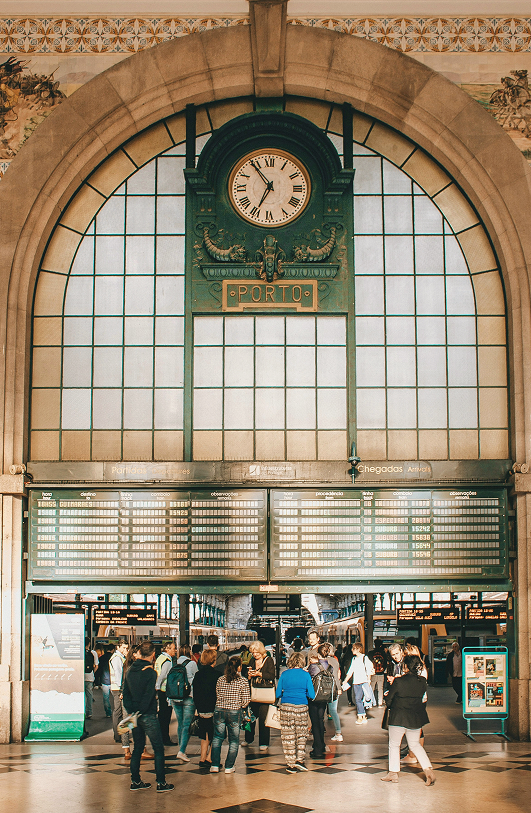
I didn’t set out to prove anything. But somewhere between navigating foreign train systems, negotiating leases in broken Italian, and figuring out how to get my golden retriever, Maddie across borders with the right paperwork, I realized that’s exactly what I was doing — proving I could go it alone.
And I did. For ten months, I built a life across Europe — one apartment, one new country, one unfamiliar street at a time. Along the way, I discovered how capable I was, how adaptable, how quietly resilient you become when there’s no one else to defer to. It was, in many ways, exactly what I needed. But it wasn’t everything
Independence isn’t the same as ease
There’s a certain satisfaction in doing everything yourself — booking every stay, planning every adventure, solving every problem in real time. At first, it feels like freedom. But over time, that freedom begins to shift.
It starts to feel like work.
Not the kind you clock into, but the kind that buzzes in the back of your head — the constant decision-making, the mental load of always being “on,” the quiet awareness that every experience depends entirely on you getting it right. Even the best days carried that weight.
And somewhere along the way, I began to wonder what it would feel like if I didn’t have to carry all of it alone.
Independence has its limits.
Traveling solo gave me flexibility. It sharpened my instincts and taught me how to move through the world with confidence. But it also revealed its limits.
There were doors I didn’t know how to knock on, stories I didn’t know to ask for, places I passed by simply because I didn’t have the context to recognize what was there. The more I traveled, the more I noticed what I was missing — not in obvious ways, but in quieter, more layered ones. The kind of experiences that turn an ordinary day into something lasting.
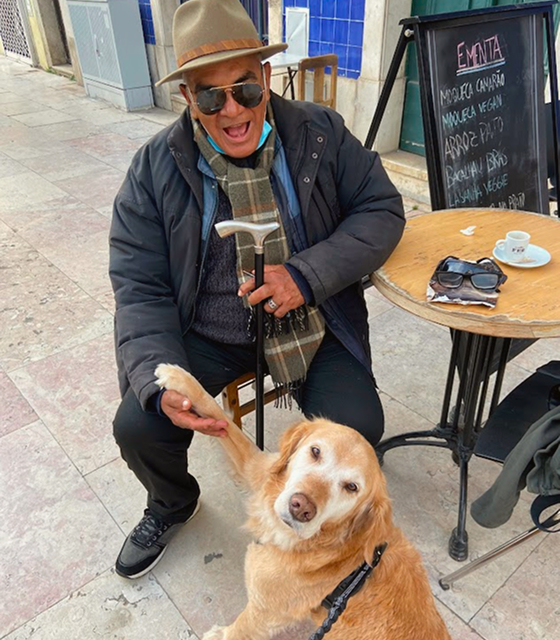
I didn’t want less independence. I wanted more depth.
There’s a common assumption that traveling with others replaces freedom with structure. What I’ve come to understand is something more nuanced.
That realization didn’t arrive all at once — it started with the friends I made along the journey. Often in the most ordinary moments — in cafés, on walking paths with Maddie, in conversations that began casually and stretched into cocktails and dinner, into plans, into something more. Those connections led to some of the most memorable experiences of the entire ten months.
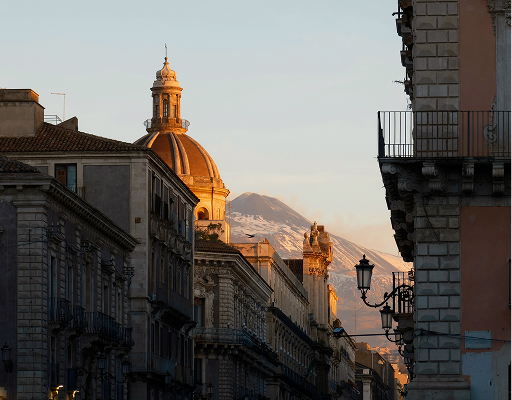
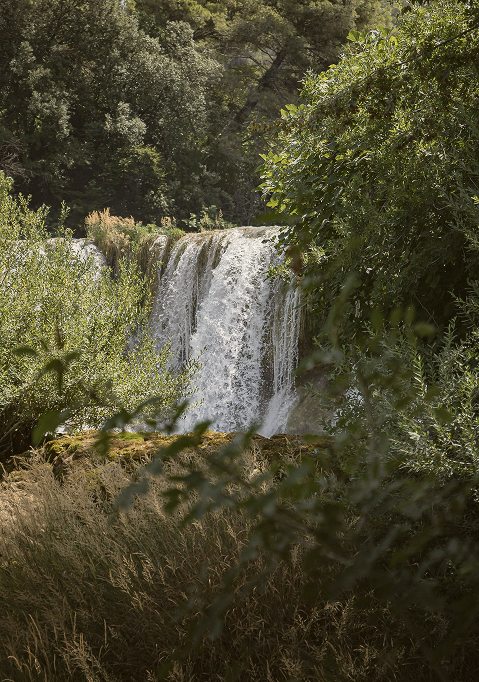
An off-road Jeep ride through the hills of Sintra, where the road gave way to sweeping Atlantic views and towering cliffs. Backpacking weekends in the Azores, where reaching our stay meant following miles of dirt trails — and somehow, sharing that journey made it all feel more meaningful. Running up Mount Etna at sunrise, pushing further than I would have on my own. A spontaneous road trip to Krka National Park, where the journey unfolded just as beautifully as the waterfalls waiting at the end.
Those moments shifted something.
Because the experience no longer felt contained. It expanded. It deepened. It stayed with me differently.
The evolution of independence.
What I’ve come to value is this: the right kind of group doesn’t take away independence — it refines it.
It removes the friction. It takes care of the logistics that no longer excite me. It opened new outlets I hadn’t thought I wanted to explore before, while surrounding me with people who are there by choice, not chance, and who wanted to see the world differently.
And just as importantly, it leaves room.
Room to wander when I wanted to. To connect when I didn’t want to be alone. To step in and out of shared moments without losing a sense of my own experience.
It’s not about being together all the time. It’s about knowing I don’t have to be alone all the time either.
I still want it my way. Just not all on me.
That’s the shift.
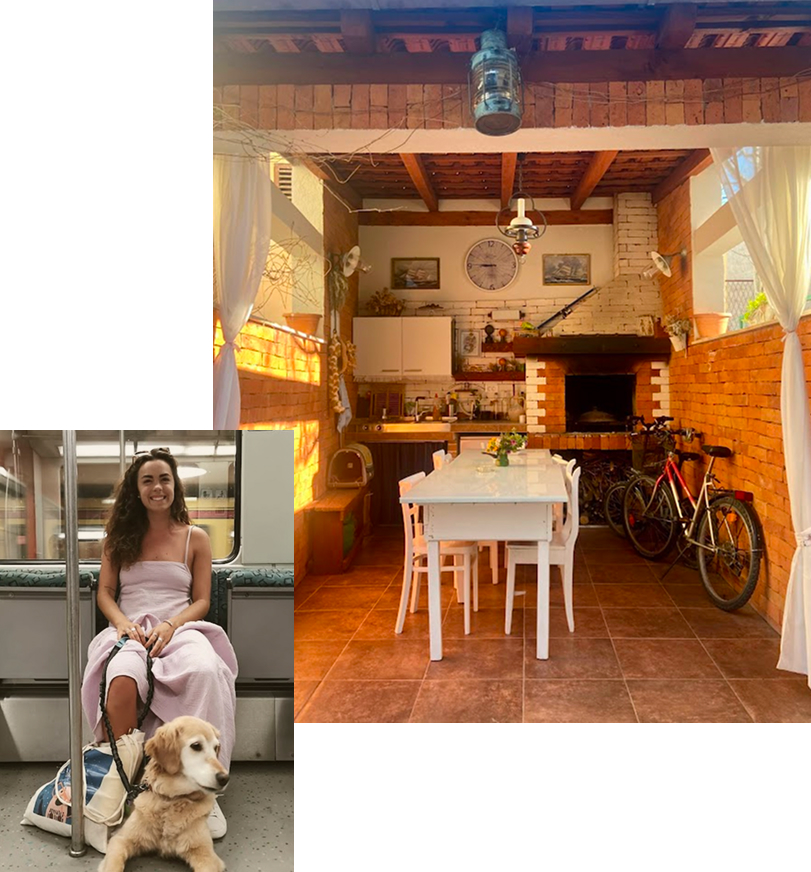
Not from independence to dependence, but from doing everything myself to choosing what matters most.
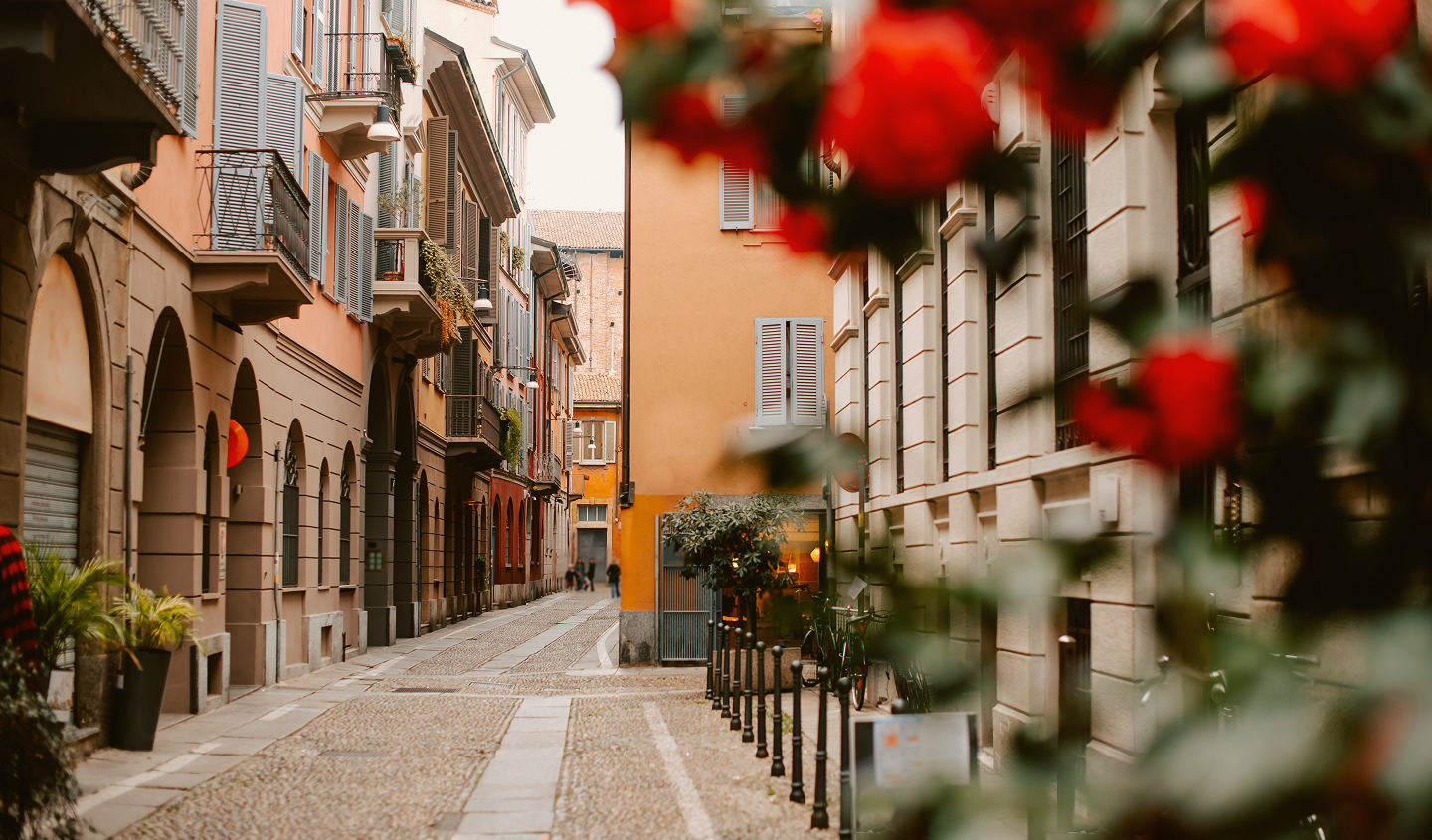
I still want slow mornings sipping my espresso on the balcony overlooking vineyards and unplanned afternoons that lead to pebbled beaches or a piano bar. I still want the freedom to follow a street simply because it’s filled with all my favorite colors and flowerbeds, and the quiet moments that make a place feel like I’m the first to discover it.
But I also want the richness that comes from shared experience — from the ease of knowing some things are already thoughtfully handled to the evening recaps that bring new perspectives to the journey.
Because independence evolves.
And the most confident version of it isn’t about going it alone.
It’s about knowing I don’t have to.
There’s more than one way to travel well. Sometimes, the smartest choice isn’t doing everything yourself — it’s choosing experiences that meet you where you are now.